
Every day, businesses invest in online advertising hoping to generate more leads, sales, and brand visibility. While some see impressive returns, others struggle to get results despite spending heavily.
The difference often comes down to one important decision: choosing the right advertising platform.
In 2026, Google Ads and Meta Ads remain the two biggest names in digital advertising. Although both help businesses reach customers online, they serve different purposes. Google connects you with people actively searching for products or services, while Meta helps you reach audiences who may not even know they need your brand yet.
So, where should you invest your advertising budget? Let's find out.
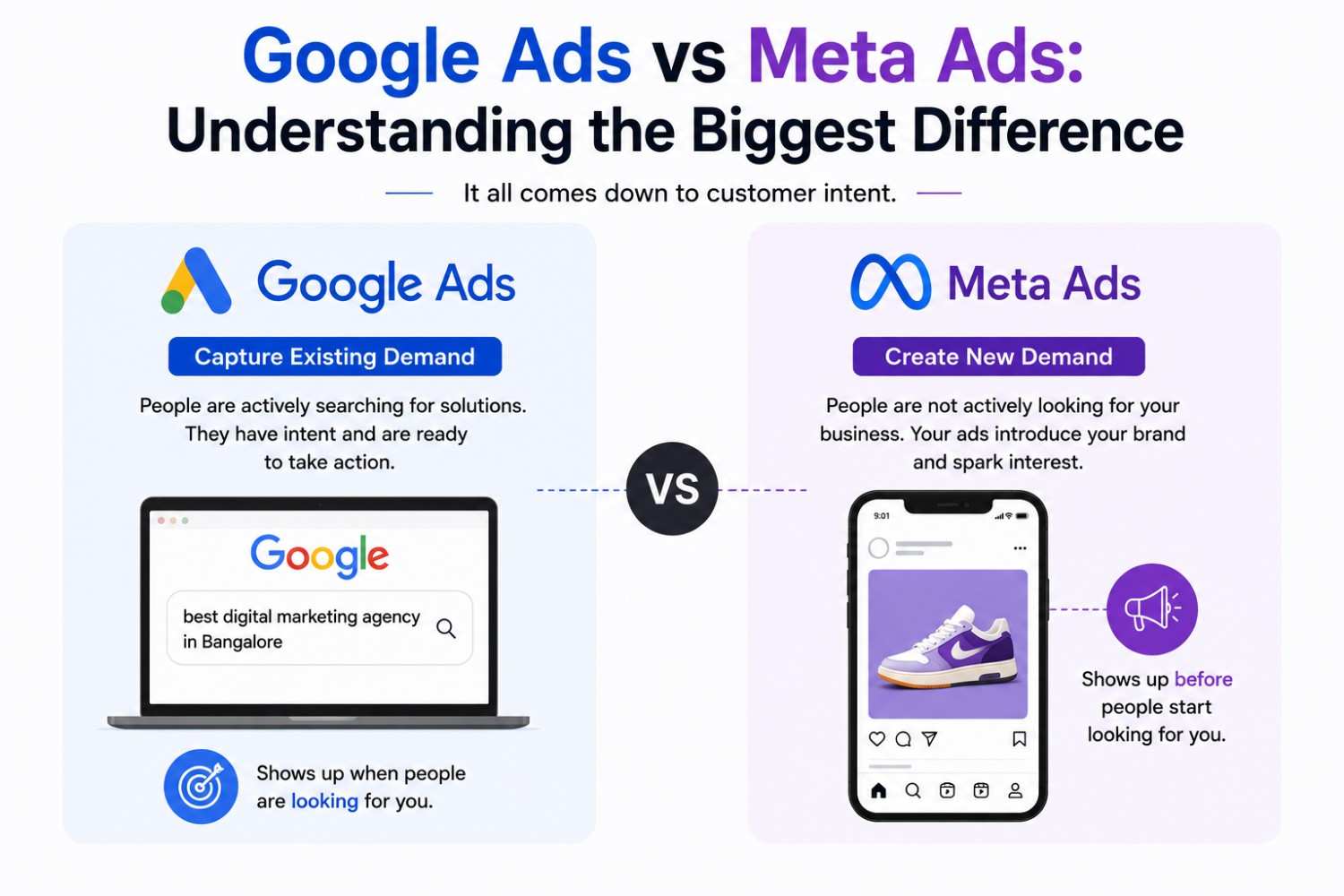
The easiest way to understand these platforms is by looking at customer intent.
Imagine someone searches "best digital marketing agency in Bangalore" on Google. They're already looking for a solution and are likely ready to make a decision.
Now imagine someone scrolling through Instagram Reels. They're not searching for your business, but an engaging ad introduces your brand and sparks interest.
Neither platform is better than the other. They simply work at different stages of the customer journey.
When people need answers, products, or services, Google is usually the first place they turn.
Here are the most effective campaign types.
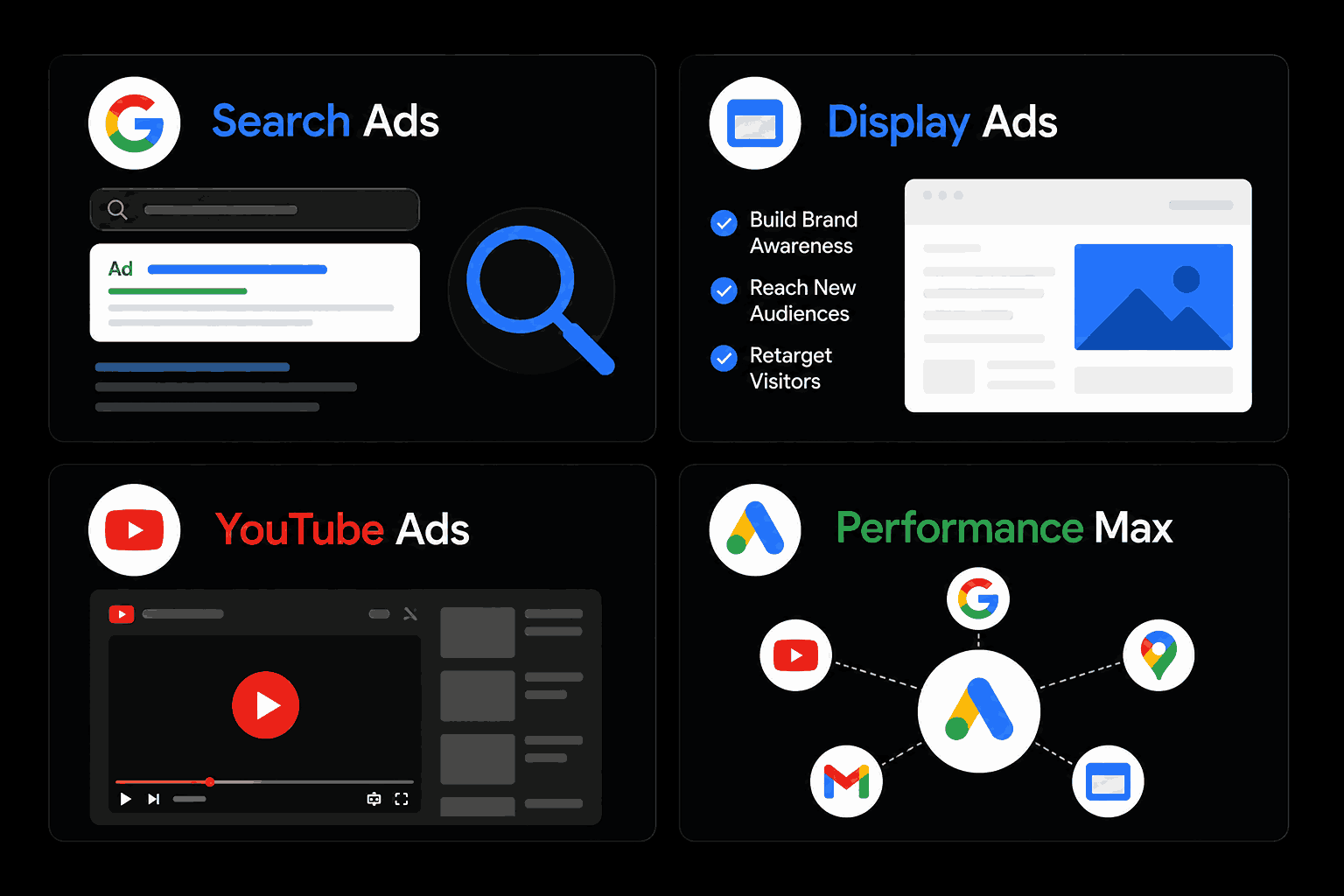
Search Ads appear at the top of Google's search results when users search for relevant keywords.
Because these users already have purchase intent, Search Ads often generate high-quality traffic and faster conversions.
Display Ads are visual advertisements shown across millions of websites and apps.
Video remains one of the most powerful marketing tools, and YouTube Ads help businesses connect with audiences through product demonstrations, tutorials, customer stories, and promotional videos.
Performance Max uses Google's AI to automatically optimise campaigns across Search, YouTube, Maps, Gmail, and the Display Network from one campaign.
It's a great option for businesses looking to maximise conversions with minimal manual effort.
Unlike Google, Meta doesn't rely on search intent.
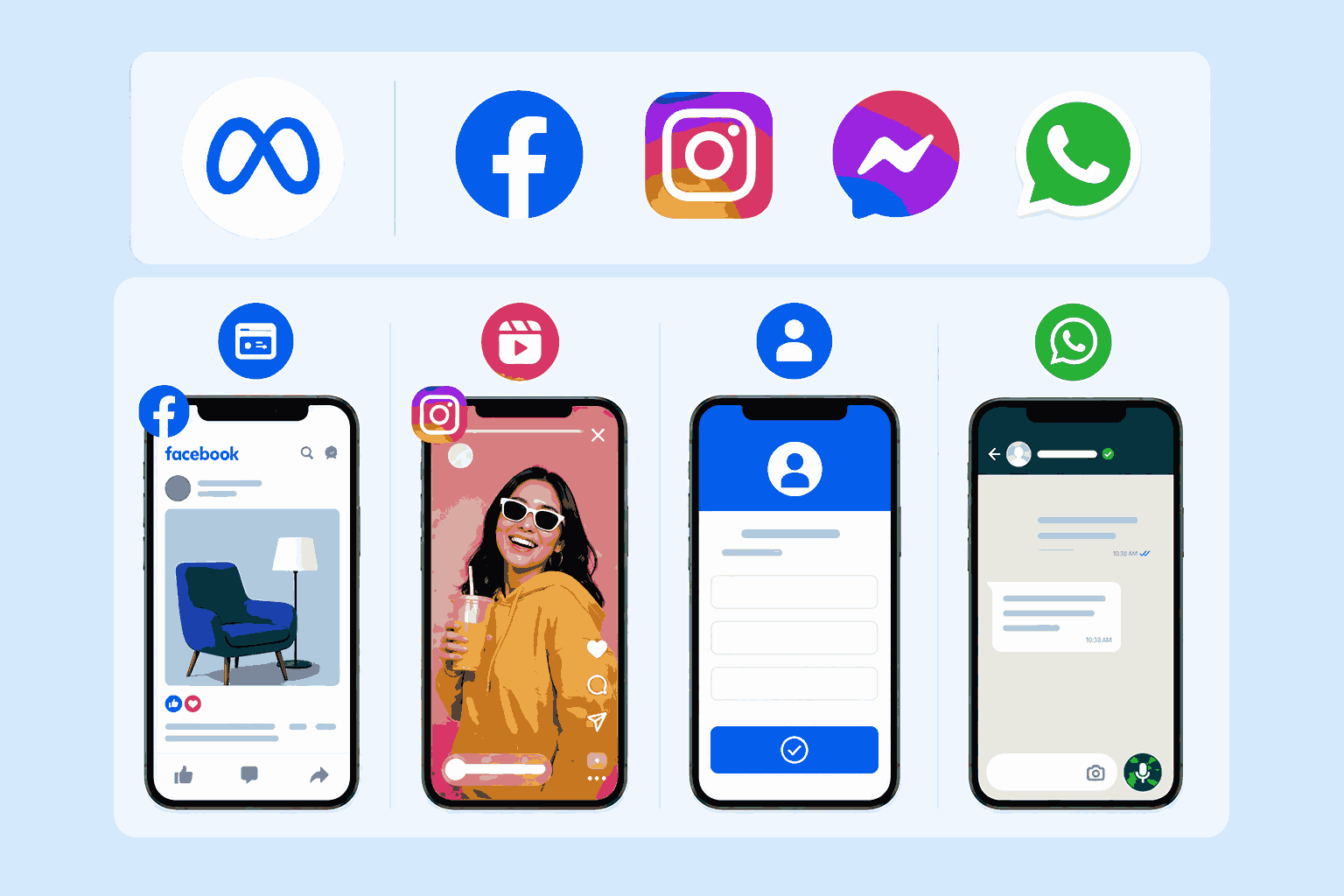
Instead, it introduces your business while users browse Facebook, Instagram, Messenger, or WhatsApp.
With highly targeted audience options and engaging creative formats, Meta Ads are excellent for building awareness and encouraging customer interaction.
Some of the most popular ad formats include:
Feed Ads blend naturally into users' Facebook and Instagram feeds using images, videos, or carousel formats.
Short-form videos continue to dominate social media. Reels and Stories Ads help brands grab attention quickly while creating immersive, mobile-first experiences.
Meta's built-in lead forms allow users to submit their details without leaving the app, making it easier for businesses to generate enquiries.
One of Meta's biggest advantages is WhatsApp integration.
Instead of filling out lengthy forms, potential customers can instantly start a conversation with your business, making these campaigns highly effective for local businesses and service providers.
Google Ads are the right choice when customers are actively searching for what you offer.
Industries such as healthcare, legal services, education, SaaS, digital marketing, and home services often see excellent results with Google Ads.
Meta Ads are ideal for businesses looking to create demand rather than capture it.
Industries like fashion, beauty, fitness, home décor, food, travel, and lifestyle brands often perform exceptionally well on Meta because compelling visuals naturally capture attention.
| Google Ads | Meta Ads |
|---|---|
| Reaches users actively searching for products or services | Reaches users while they browse social media |
| Best for high-intent leads and quick conversions | Best for brand awareness and audience engagement |
| Performs well for search-driven businesses and local services | Ideal for visually appealing products and storytelling |
| Strong focus on search intent | Strong focus on audience targeting and interests |
| Great for capturing demand | Great for creating demand |
There's no single winner because every business has different goals.
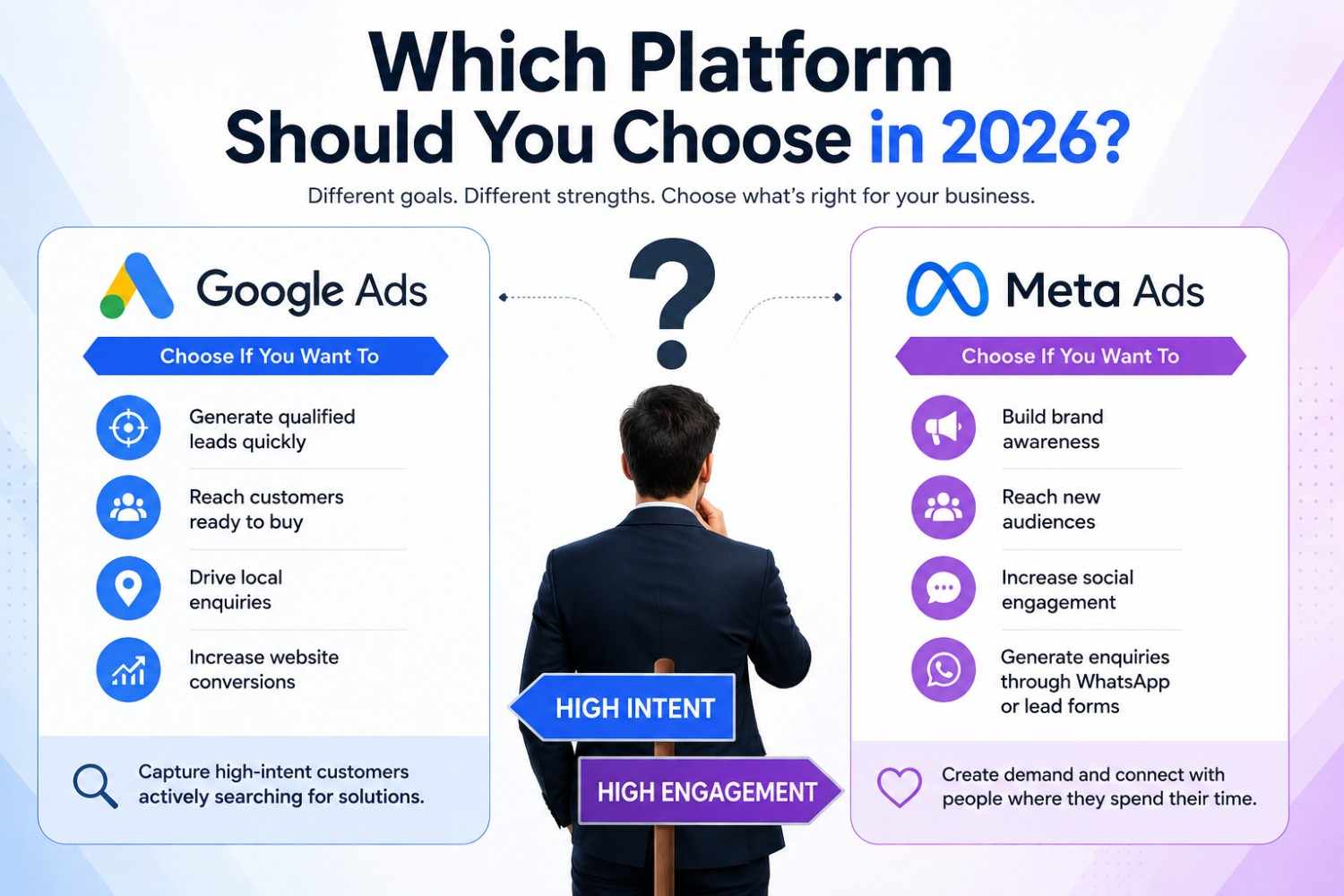
The best choice depends on where your customers are in their buying journey.
Many businesses think they need to choose between Google Ads and Meta Ads. In reality, the strongest marketing strategies use both.
Here's why.
Meta Ads introduce your brand to new audiences and build awareness. As people become familiar with your business, many eventually search for your products or services on Google.
When that happens, Google Ads ensure your business appears at the exact moment they're ready to take action.
Finally, Meta Retargeting helps reconnect with people who visited your website or interacted with your content but didn't convert the first time.
Instead of competing, Google Ads and Meta Ads work together to create a complete digital marketing funnel.
Google Ads and Meta Ads each bring unique strengths to the table.
Google Ads are the best choice for reaching customers who are actively searching and ready to make a decision. Meta Ads excel at building awareness, generating interest, and creating meaningful customer engagement through visually engaging content.
If you're just starting out, choose the platform that aligns with your immediate business goals. But if you're aiming for sustainable growth in 2026, don't think of it as Google Ads vs Meta Ads.
Using both strategically allows you to attract new audiences, capture high-intent leads, and build long-term customer relationships, giving your business the best chance of achieving consistent and measurable growth.
At Sociapa, we help brands generate leads, improve ROI, and grow through performance marketing.
✓ Google Ads Management
✓ Meta Ads Management
✓ Lead Generation Campaigns
✓ WhatsApp Ads
✓ Performance Marketing