I'll be honest: when the first "ads are coming to ChatGPT" headlines landed in January, most of us at Sociapa filed it under "interesting, not urgent." America gets everything first, we'd look at it in a year.
That timeline just collapsed. On 27 August, OpenAI switched ads on for Indian users on the Free and Go plans, with 50-plus brands going live in the first week and WPP and Omnicom named as launch agency partners. And today, 4 September, the self-serve Ads Manager opens up to any Indian business with a work email and a credit card.
So this is no longer a "watch this space" post. It's a "here's how the thing actually works, here's what it costs, here's how to set it up, and here's my honest read on whether an FMCG brand should put money in this quarter" post. I've gone through every OpenAI help article, poked around the Ads Manager, and read the launch coverage so you don't have to. Let's get into it.
Forget everything you know about display banners or search ads for a second, because this unit is a little different from both.
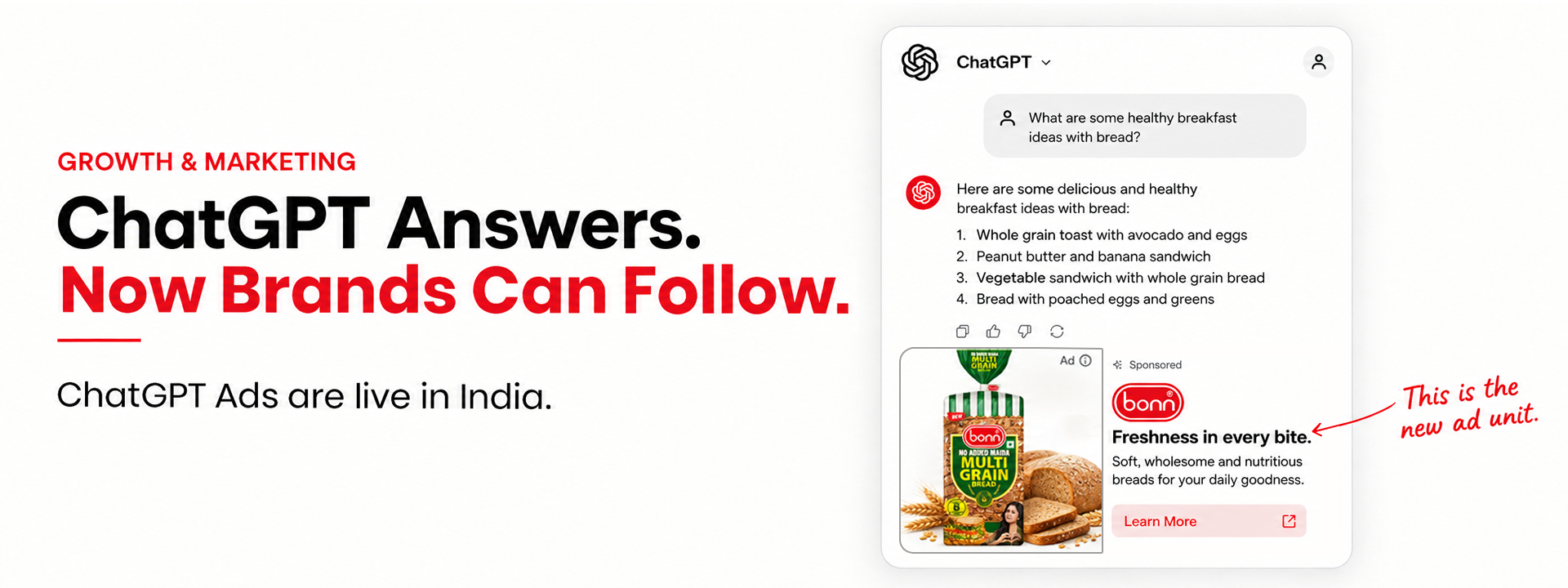
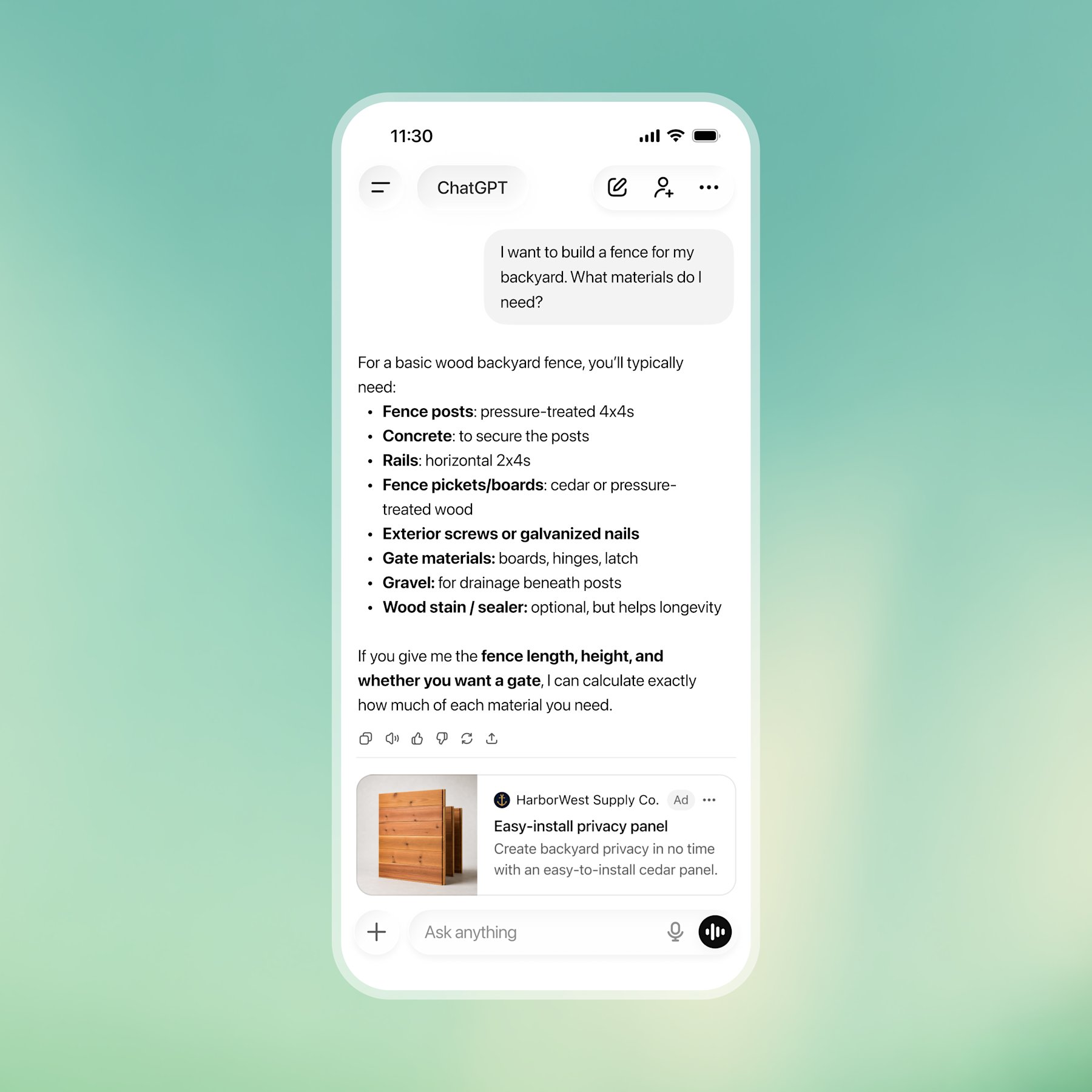
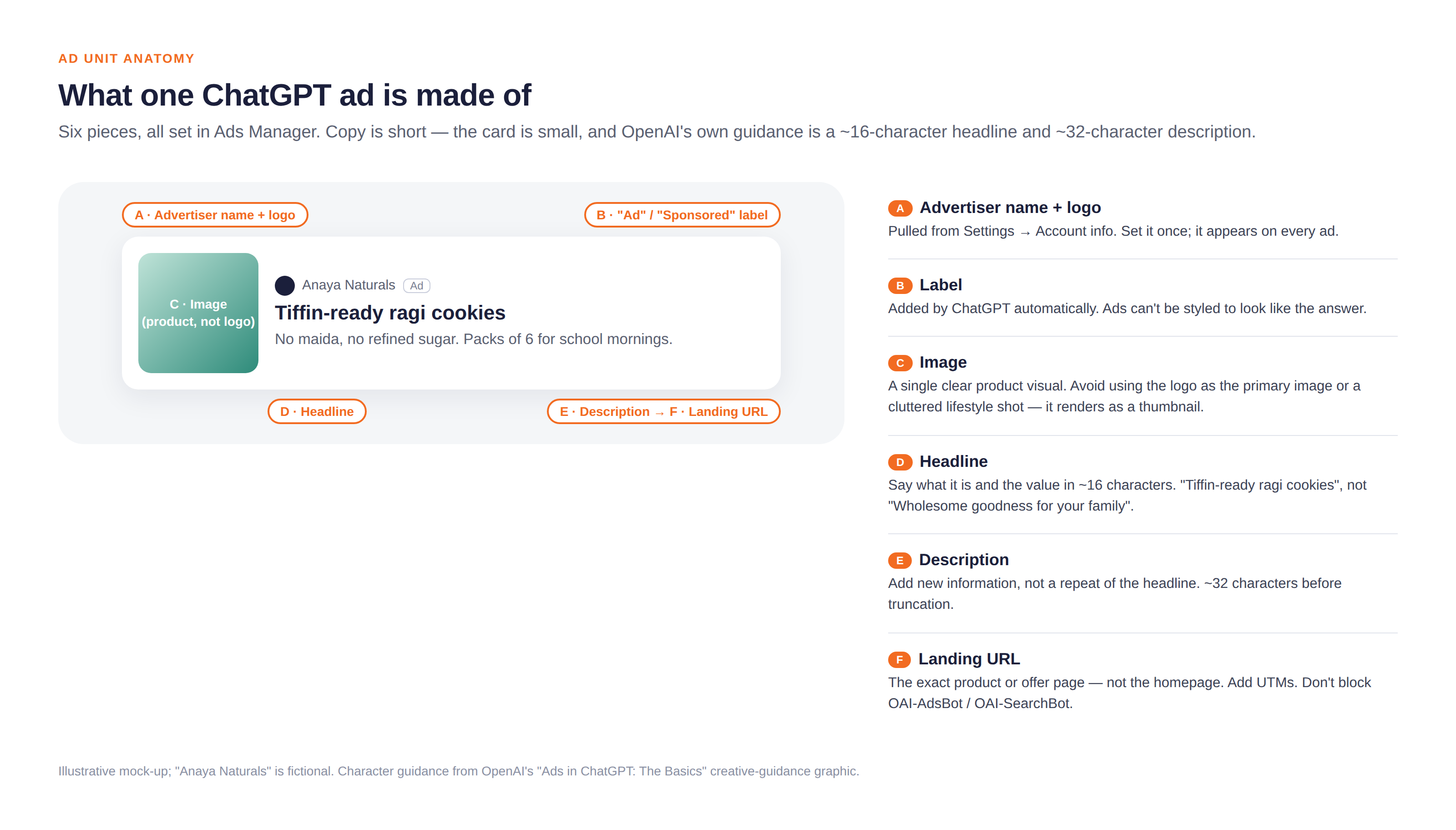
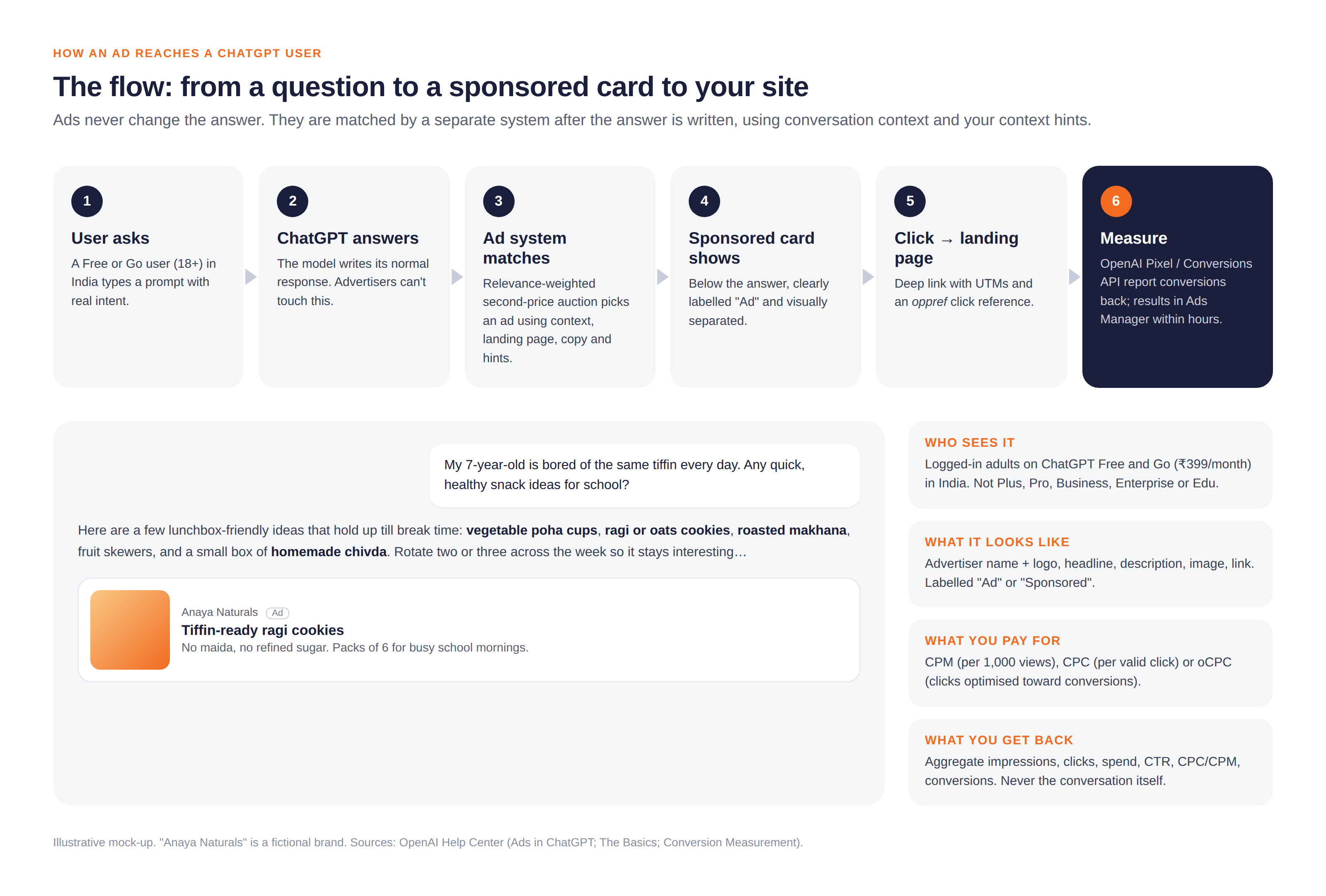
When someone on ChatGPT Free or Go asks a question, ChatGPT answers it the way it always has. After that answer, if OpenAI's ad system decides there's a commercially relevant moment, a small card appears underneath. It has your brand name and logo, a short headline, a one-line description, a product image and a link. It's labelled "Ad" or "Sponsored" and visually separated from the response.
Three things matter here, and OpenAI is unusually firm about all of them:
OpenAI's own words: ads "run on separate systems from our chat model, and advertisers have no ability to shape, rank, or alter ChatGPT's responses." You cannot pay to be recommended. You can only pay to appear below the recommendation.
Advertisers see aggregate numbers: impressions, clicks, spend, conversions. Not the chat, not the history, not the person's memories or profile. OpenAI has declared that it does not sell user data to advertisers.
No ads to accounts identified as under 18, and no ads around health, mental health, or politics. That last rule heavily impacts several FMCG and wellness sub-categories.
Logged-in adults on the Free plan and the Go plan (₹399 a month in India). Plus, Pro, Business, Enterprise, and Edu users don't see ads at all. Free users can also flip to an "ads-free" mode that trades ads for tighter message limits.
Why this is a big deal in India specifically: OpenAI confirmed that India crossed 100 million weekly ChatGPT users, cementing its position as their second-largest market worldwide, with weekly actives doubling year on year. Business Standard estimated unique monthly users at 330 million as of May. The overwhelming majority of those users are on Free or Go. In other words, almost the entire Indian ChatGPT audience is ad-eligible.
Users do get controls: Settings → Ad Controls lets them switch off personalisation, dismiss an ad, see why an ad appeared, and clear ads data. Worth knowing, because "why am I seeing this?" is now a question your brand can be judged on.
This is the bit that changes how you write ads, so it's worth slowing down on.
There are no keywords. Instead, each ad group carries what OpenAI calls context hints: plain-English descriptions of what you sell, who it's for, and the situations in which it's useful. OpenAI's example is instructive: not "running shoes", but "cushioned everyday running shoes for beginners training for their first 5K."
When a conversation happens, the system looks at the conversation context, your landing page, your headline and copy, your context hints, and (if the user hasn't opted out) broader signals from their ChatGPT usage. It then runs what OpenAI describes as a "relevance-weighted, second-price auction." The highest relevant bid wins and pays a fraction more than the runner-up.
The practical consequence: your copy and your landing page are targeting inputs, not just creative. A vague headline and a homepage link don't just perform badly—they get matched badly by the AI.
When someone clicks, they land on your page with your UTM parameters and an oppref click reference, which OpenAI's pixel and Conversions API use to attribute conversions back. Reporting shows up in Ads Manager within about seven hours; attributed conversions take 24 to 48 hours.
Now the numbers, because this is what every CMO and founder asks first.
| Component | Details & Requirements |
|---|---|
| Buying Models | CPM (Pay per 1,000 impressions), CPC (Pay per valid click), and oCPC (Conversion-optimised CPC). |
| Bid Strategy | "Maximize results" is on by default for new ad groups. Manual bidding is required if you need a strict CPA target. |
| Minimum Spend | ₹725 per day per campaign in India. Budgets are averaged over 7 days (daily peak up to 2×, weekly cap 7×). |
| Payment Terms | Post-pay via credit card. Invoiced at set spend thresholds and month-end. Currency (INR) and time zone are locked permanently upon account creation. |
| Click Cost Benchmark | OpenAI's global documentation suggests a starting bid of $3–5 (~₹250–₹415), which reflects US auctions. Indian auctions are currently thin and clearing at far lower rates. |
| Welcome Credit | OpenAI advertises a "$500 ad credit when you spend $500" offer on ads.openai.com. Check eligibility during Indian account creation. |
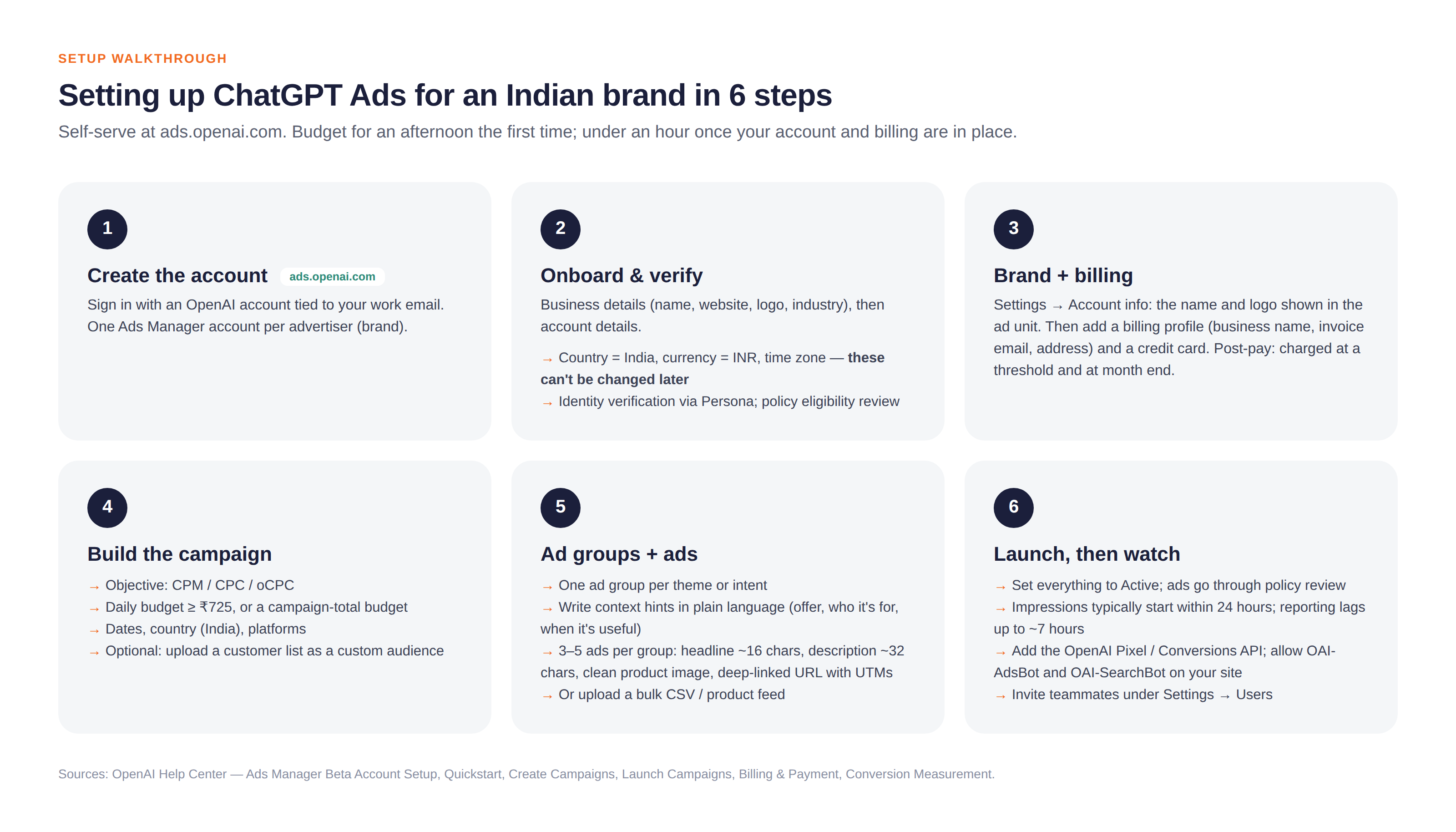
Here's the walkthrough as it stands in Ads Manager Beta. Set aside an afternoon the first time, mostly for identity verification.
Go to ads.openai.com and click Start now. Sign in with an OpenAI account tied to your official work email, or register one. Notice: only one Ads Manager account is permitted per advertiser. If you're an agency managing multiple brands, each client brand requires its own account with its own unique work email, so plan your aliases beforehand.
Enter your business details (company name, website, logo, industry) and account details (country, currency, time zone). Then complete identity verification powered by Persona, followed by OpenAI's eligibility review against ad policies. Remember: country, currency, and time zone cannot be altered later.
Under Settings → Account info, upload your brand logo and define the account name exactly as you want them displayed on the live ad card. Then enter your billing profile (registered company name, invoice email, GST/billing address) and credit card. Team members can be invited under Settings → Users.
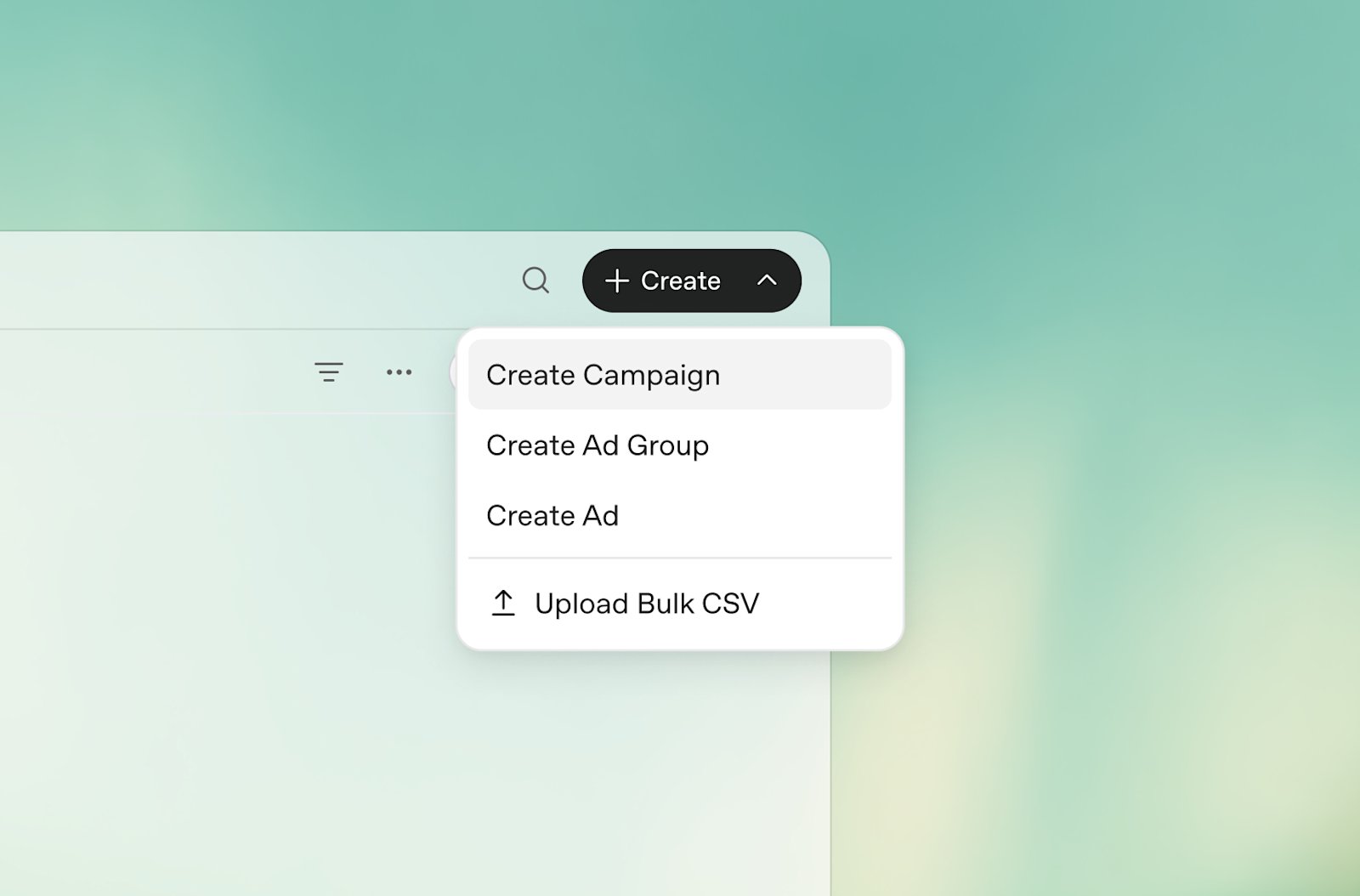
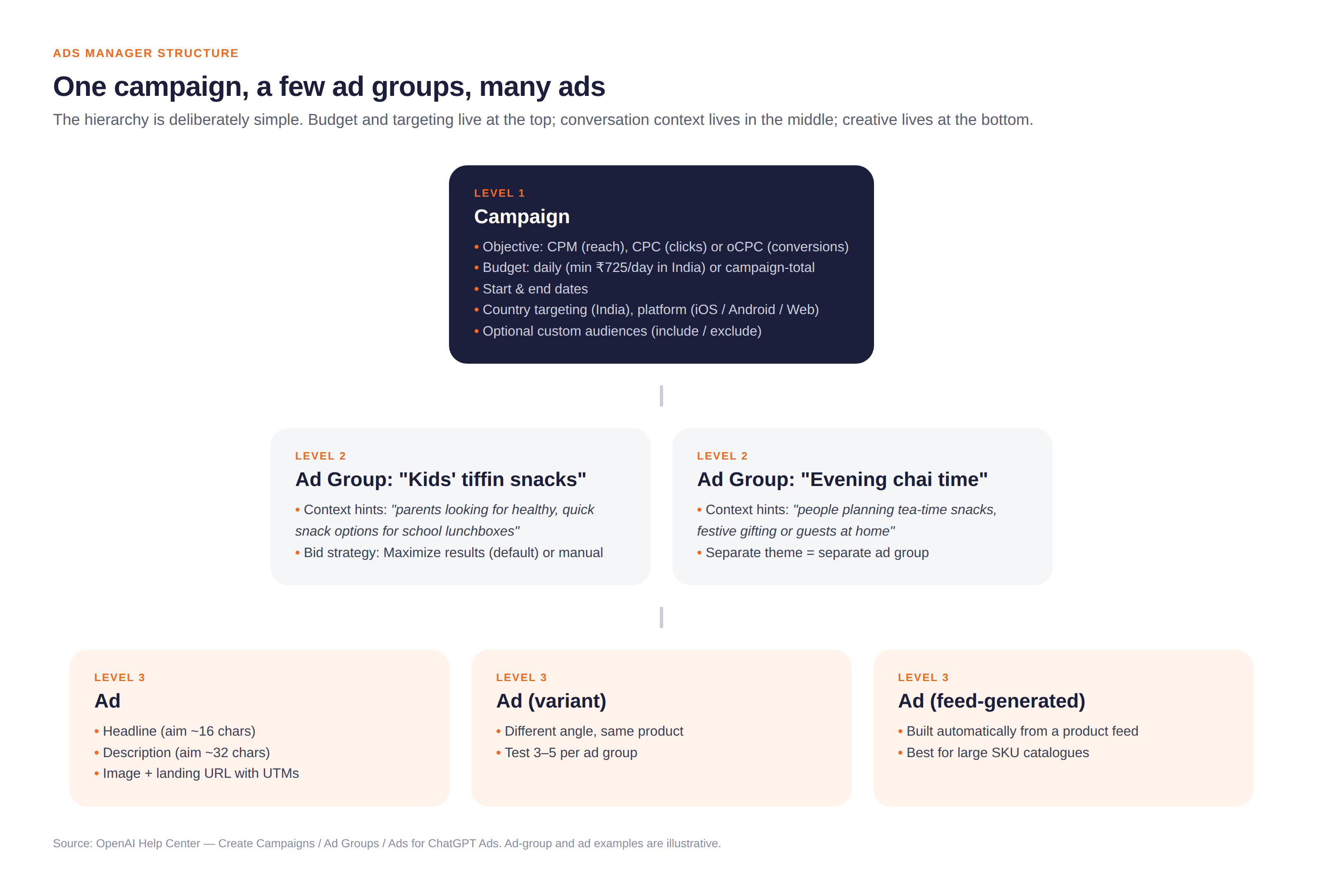
Click Create → Create Campaign. You will configure:
Upload a CSV or TXT file (up to 500 MB) of phone numbers, emails, SHA-256 hashes, or Google Advertising IDs. Processing takes 20 to 30 minutes. You require at least 25,000 matched users to target an audience or apply bid multipliers (0.1× to 10×), with 100,000 recommended by OpenAI. However, smaller customer lists can be deployed immediately as exclusion audiences—essential to avoid paying for clicks from existing customers on customer-acquisition runs.
Hit Create → Create Ad Group. Define your title and author your context hints. The gold standard recommendation: one ad group per theme or intent, several ads per group, and hints authored as situations, not product names.
For example: "Busy parents packing school tiffins who want a snack without maida or refined sugar" will massively outperform generic labels like "healthy biscuits".
Then navigate to Create → Create Ad. Submit your headline, description, product image, and destination URL.
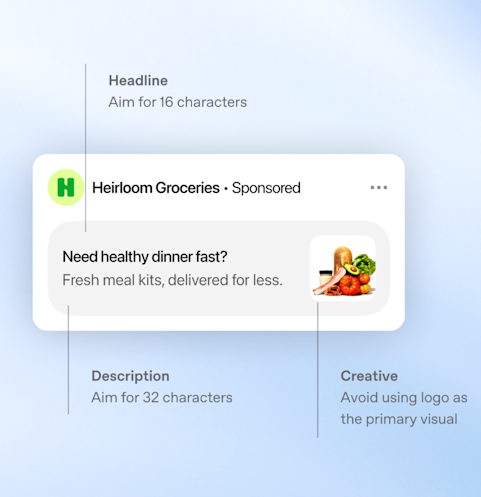
OpenAI recommends aiming for 16 characters in the headline and 32 characters in the description, without using your brand logo as the primary image. Write punchy copy for a compact thumbnail card, not a sprawling search snippet.
Landing Page Rule: Direct users to specific product or SKU landing pages with UTM tracking, never generic homepages. Furthermore, ensure your website does not block OpenAI's crawlers (OAI-AdsBot and OAI-SearchBot) in your robots.txt file, as these bots inspect landing page relevance prior to auction clearance.
Catalog Feeds: Brands with broad catalogs can utilize bulk CSV schema uploads or dynamic Product Feeds via hosted URL/SFTP. Feeds automatically create ad variations based on templates, with items expiring after 14 days unless refreshed.
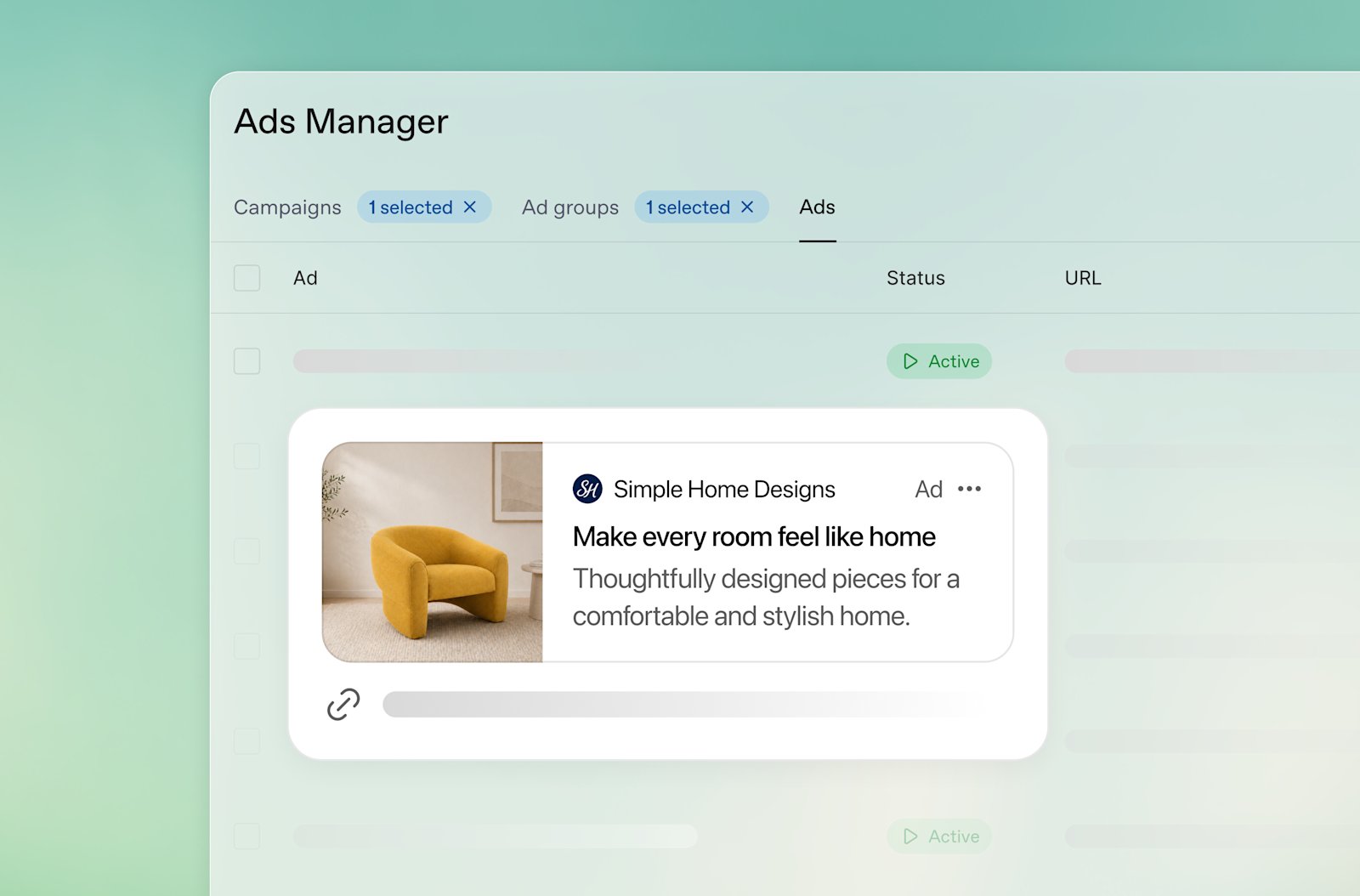
Toggle campaigns, ad groups, and creatives to Active. Once automated policy review completes, campaigns transition to Serving, with impressions typically logging within 24 hours.
Ads Manager reporting delivers impressions, clicks, spend, CTR, average CPC, average CPM, and conversion counts segmented by device and country, exportable to CSV.
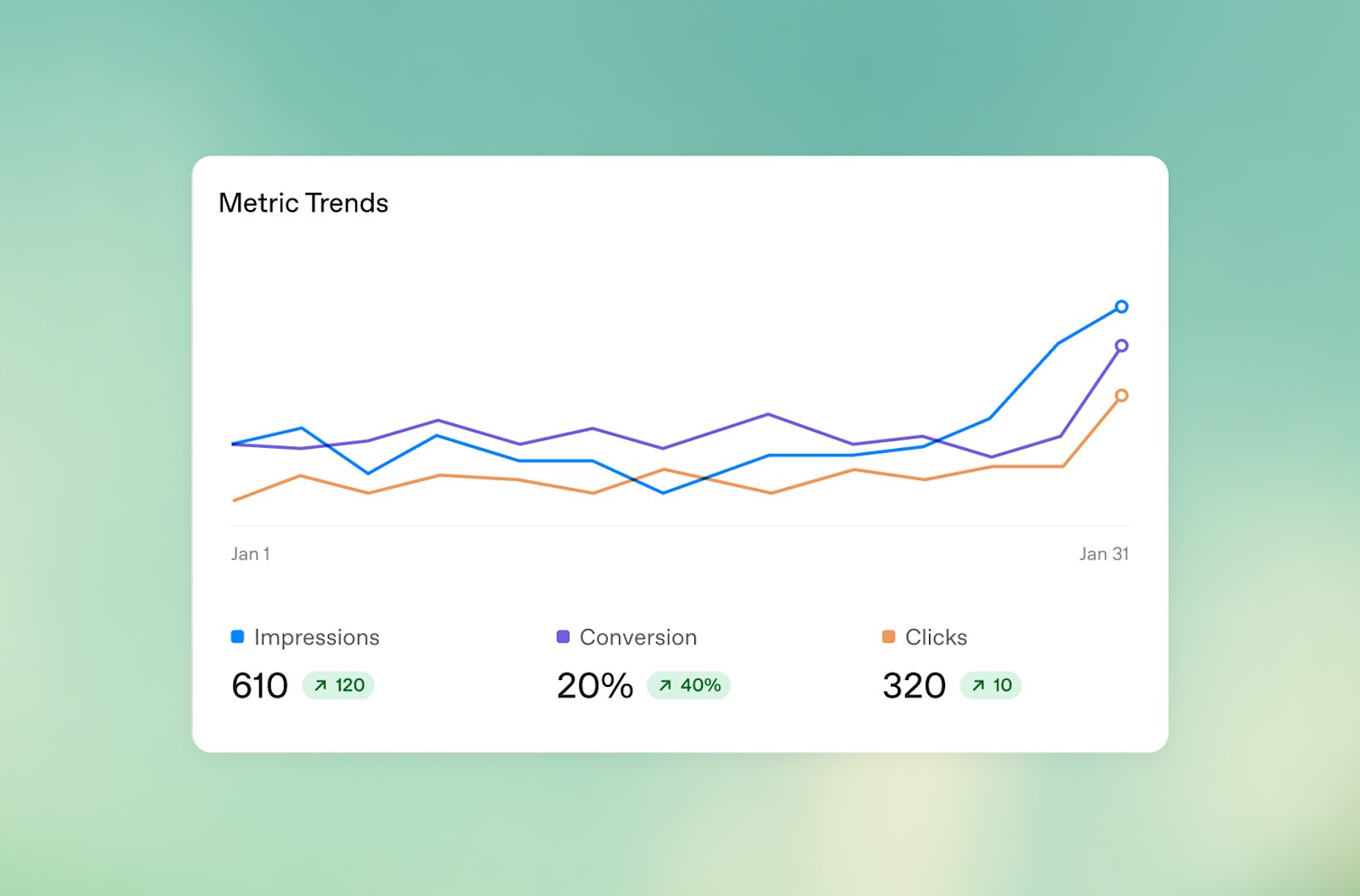
For conversion tracking, install the OpenAI Pixel on your website (it records the oppref click parameter in a first-party cookie) and pair it with the server-side Conversions API (CAPI) using event deduplication and advanced matching.
The standard prohibited list is strictly enforced: alcohol, tobacco, adult products, gambling, prescription drugs, weapons, and political advocacy. No whisky, no beer, no gutka, and no election endorsements.
The clause every FMCG marketer must note: "Ads must not promote wellness products that make unsubstantiated health claims." Claims relating to immunity, gut health, clinically proven benefits, or fat loss require ironclad documentation or must be excised. Furthermore, ChatGPT strictly blocks ads from rendering alongside health, medical, or mental health inquiries. As a result, functional nutraceuticals operate within much narrower boundaries than snacks, spices, beverages, and personal care.
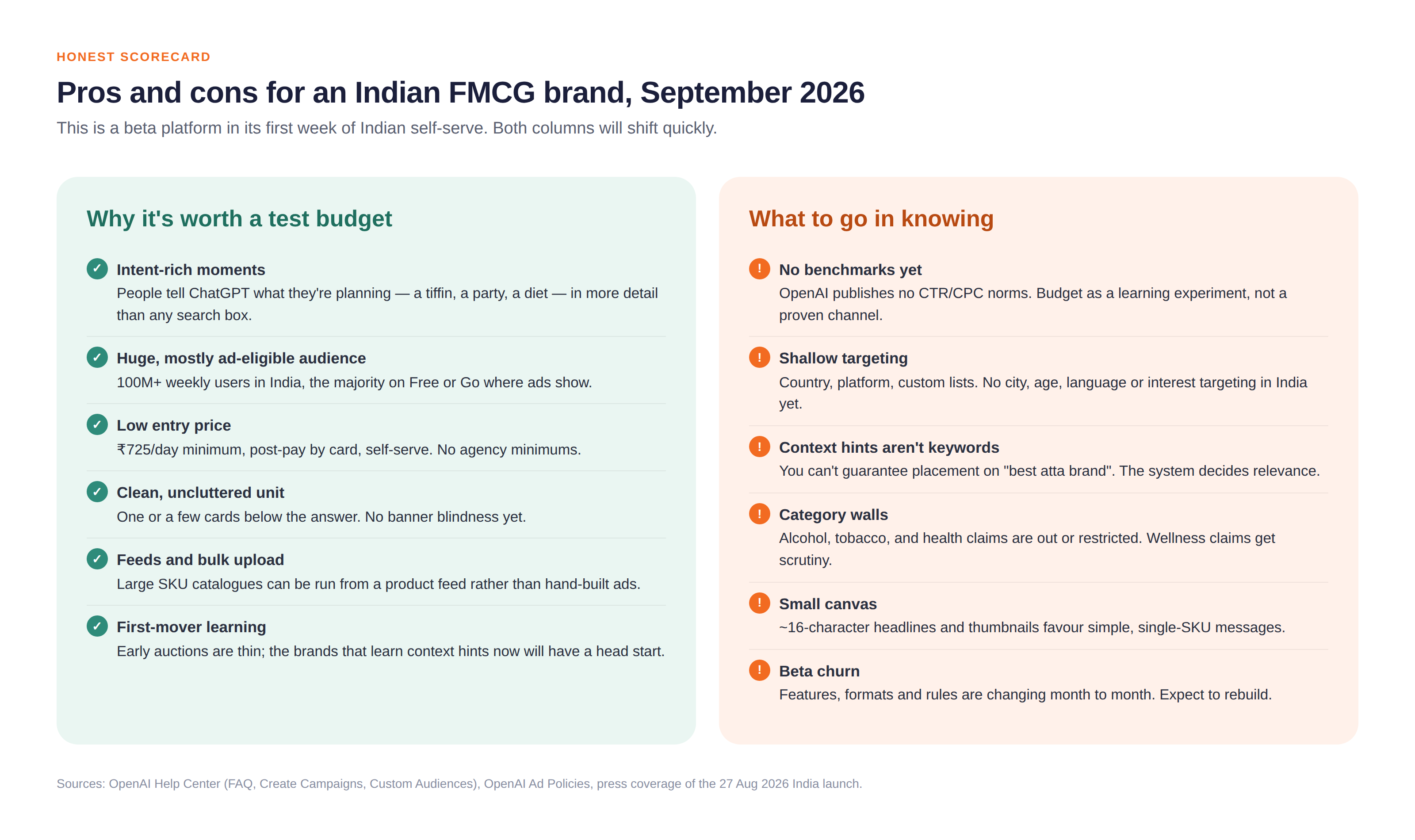
People confide in ChatGPT in ways they never do on Google. Queries like "My 7-year-old is bored of tiffin, what can I pack?" or "I have 20 vegetarian guests for Diwali dinner" reveal deep commercial intent in natural sentences. The Indian user base is 100M+ weekly actives, daily entry spend is just ₹725, and with only ~50 major brands active today, auction density is at its lowest possible floor.
Targeting in India remains nationwide only—no city or language filters yet. You cannot purchase exact match keywords like "best atta." Ad cards are compact, ruling out complex multi-frame brand storytelling. The health policy is stringent, and features will continue shifting rapidly throughout the beta rollout.
If we were briefing a Sociapa client today, here is the exact tactical playbook we recommend executing:
Structure ad groups around human moments: Kids' School Tiffins, Festive Gifting, Monsoon Snacking, or Post-Workout Protein. Author plain-English context hints detailing real-world problems rather than standard product attributes.
For D2C operations, direct users to SKU checkout pages embedded with the OpenAI Pixel. For retail brands reliant on quick commerce, link directly to product listings on Blinkit, Zepto, or Instamart using UTM tags to capture instantaneous impulse purchases.
Begin with manual CPC bids and an allocated budget of ₹1,000 to ₹2,000 daily for four weeks. Once pixel conversions register, transition to oCPC optimization. Upload existing customer lists as exclusion audiences to prevent wasting ad spend on existing buyers.
Because conversational ads sit in private dialogue, ad relevance is intensely noticeable. Review attribution data weekly and refine context hints to keep placement natural and helpful.
If you are a consumer or FMCG brand with a D2C or quick-commerce engine and ₹30,000 to ₹60,000 in discretionary test budget, yes, execute this month. Not because it immediately displaces Meta or Google on blended CPA, but because early access gives you invaluable first-party intent data while auction bids remain uncrowded.
If you are an alcohol brand, a dietary supplement brand reliant on bold health claims, or a hyper-local retailer needing city-specific targeting, pause for now until OpenAI releases localized geo-fencing and expanded category guidelines.
Regardless of your immediate budget, complete your verification on ads.openai.com today. Account onboarding takes time, and verification costs nothing until campaigns go live.
OpenAI Help Center (Ads in ChatGPT; The Basics; Ads Manager Beta Account Setup; Create Campaigns; Create Ad Groups; Context Hints & Creative Guidelines; Product Feeds; Custom Audiences; Conversion Tracking; Billing & Invoicing; Maximize Results Strategy; FAQ) • OpenAI Advertising Policies • ads.openai.com • Industry launch coverage across TechCrunch, Business Standard, Business Today, CNBC-TV18, Exchange4media, and Outlook India (27 August – 4 September 2026).